In winter, the yellow plum blossoms.
In summer, the pomegranate flowers bloom.
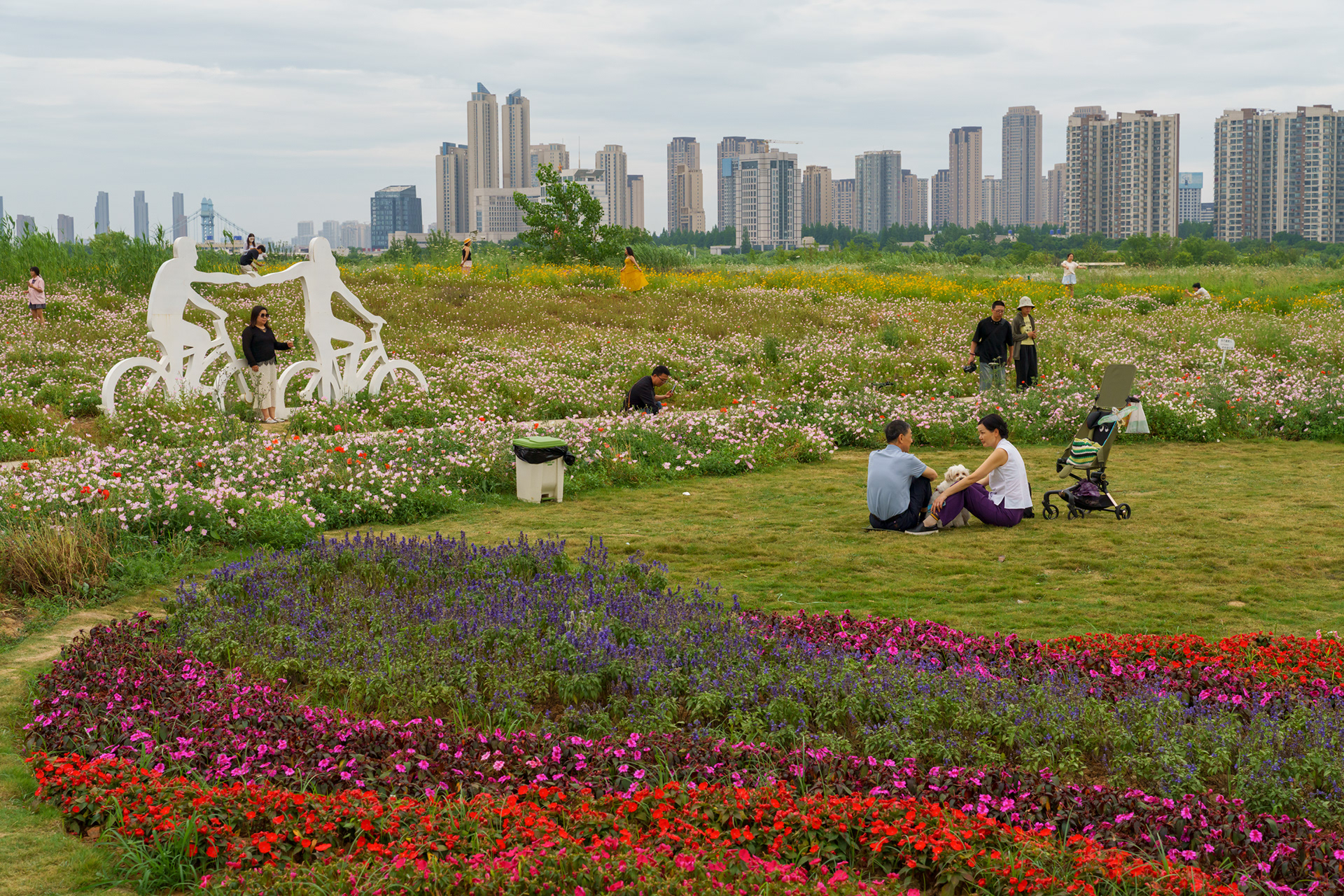
On sunny days, the place is filled with people.
On rainy days, it's filled with children playing.
Travellers admire the scenery,
locals sit and sell clear tea.
This small piece of land is where we belong
- the people who live here.
SYNOPSIS
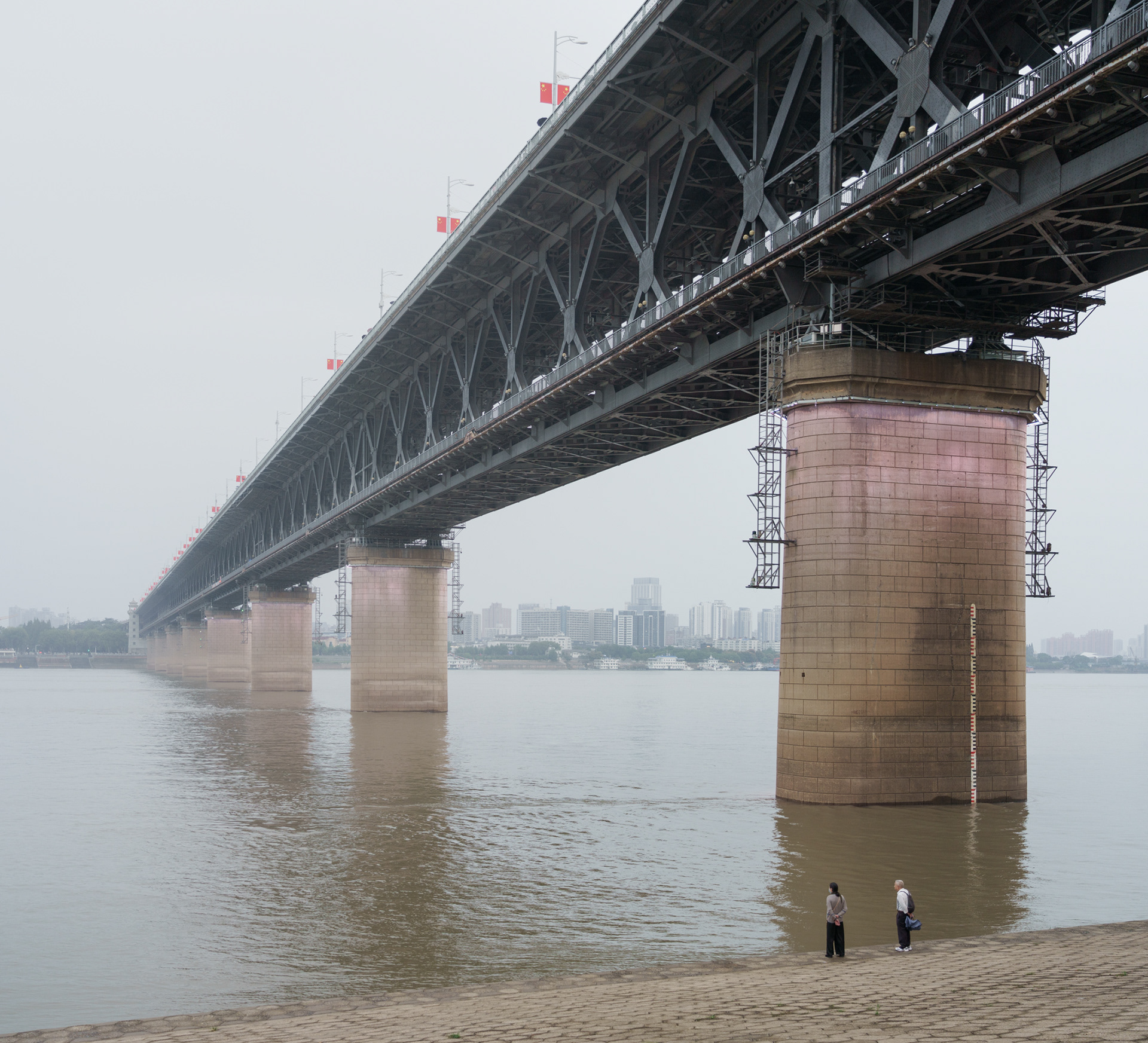
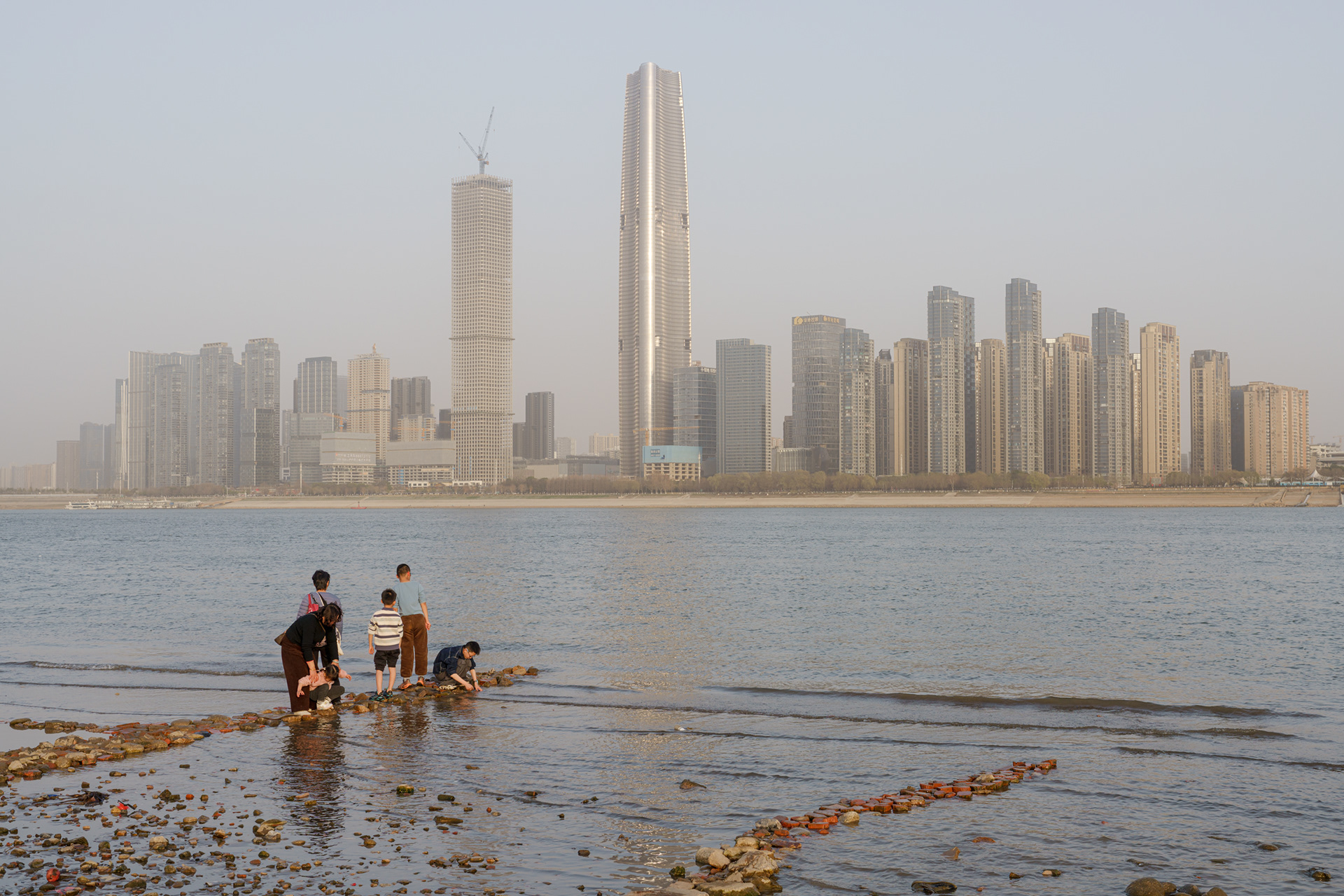
Wuhan (武汉) – a major industrial hub in Central China – is widely known as the City of Rivers and Lakes. This is where the great Yangtze and Han Rivers meet, dividing the city into three historic regions: Hanyang, Hankou, and Wuchang. Natural waterways shape much of the land, with large urban lakes – most notably the East Lake – covering broad areas of the city.
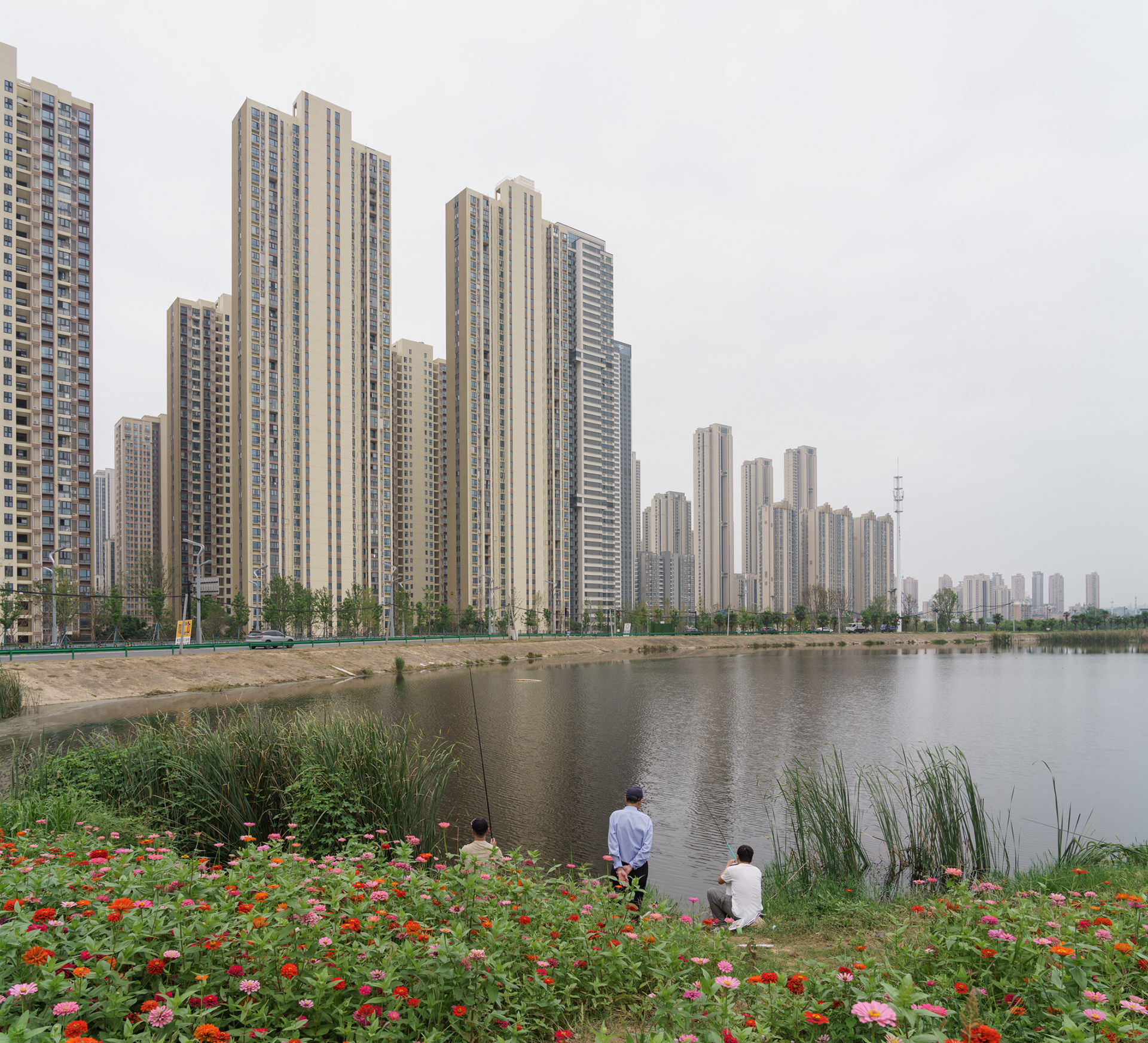
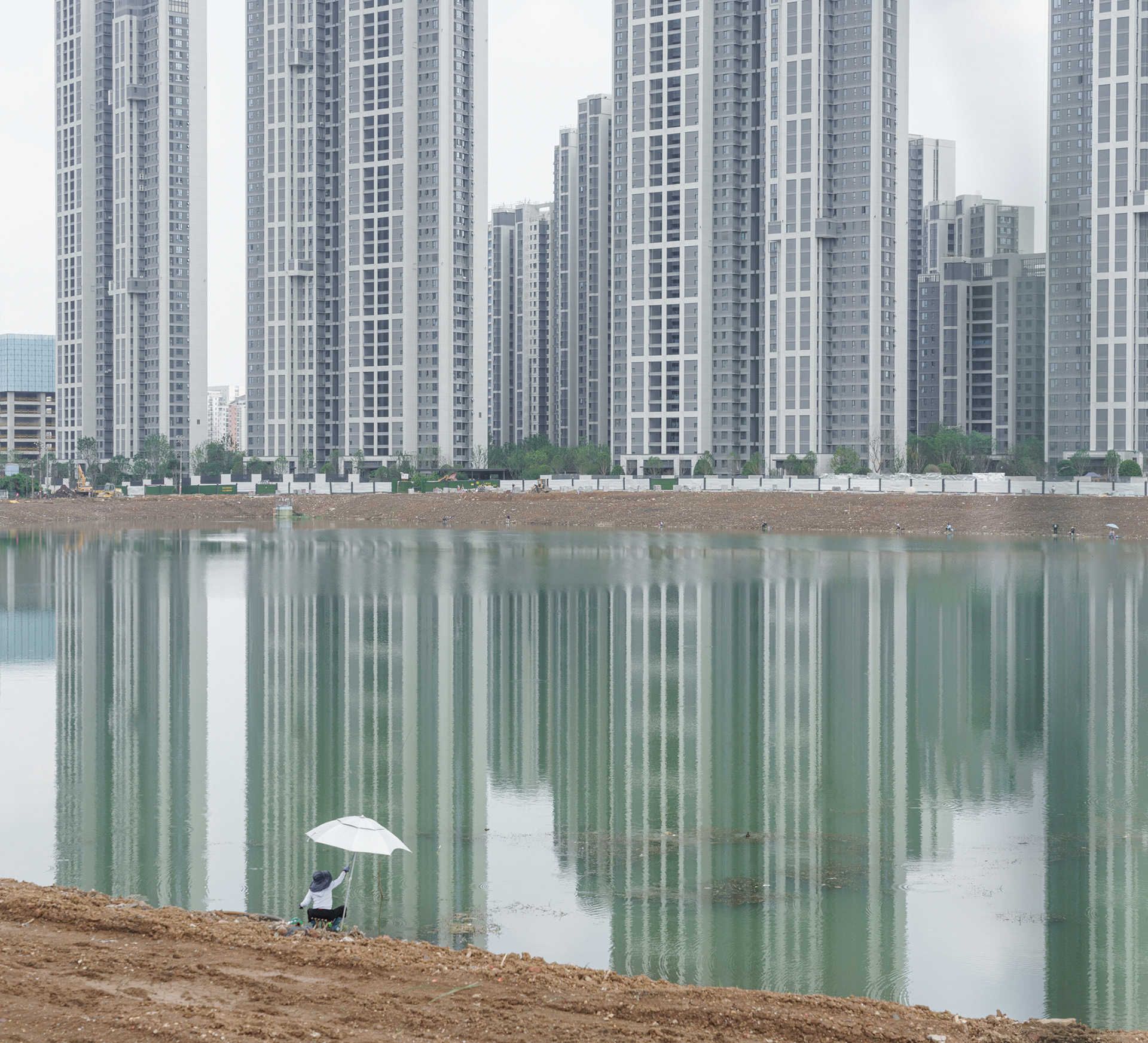
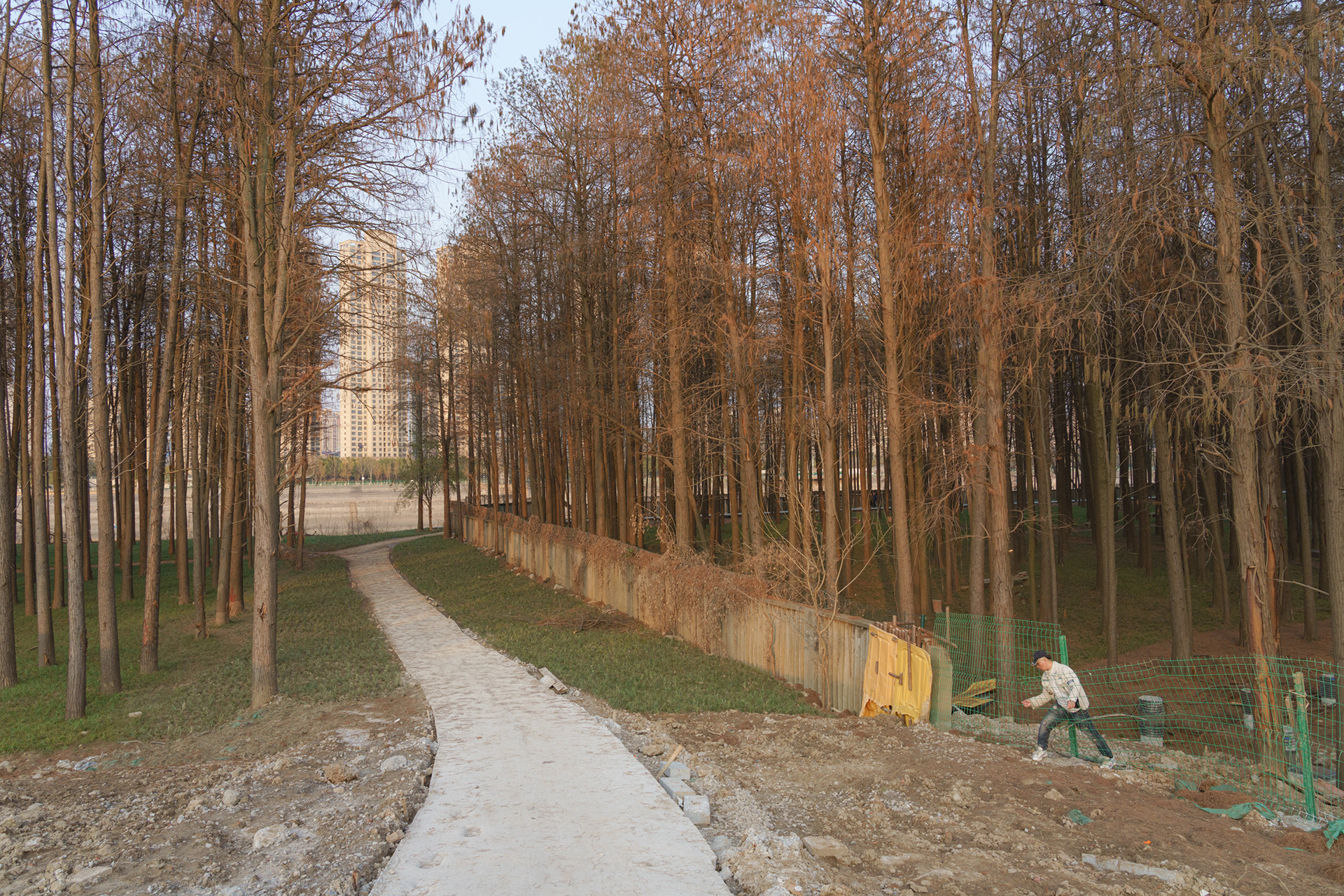
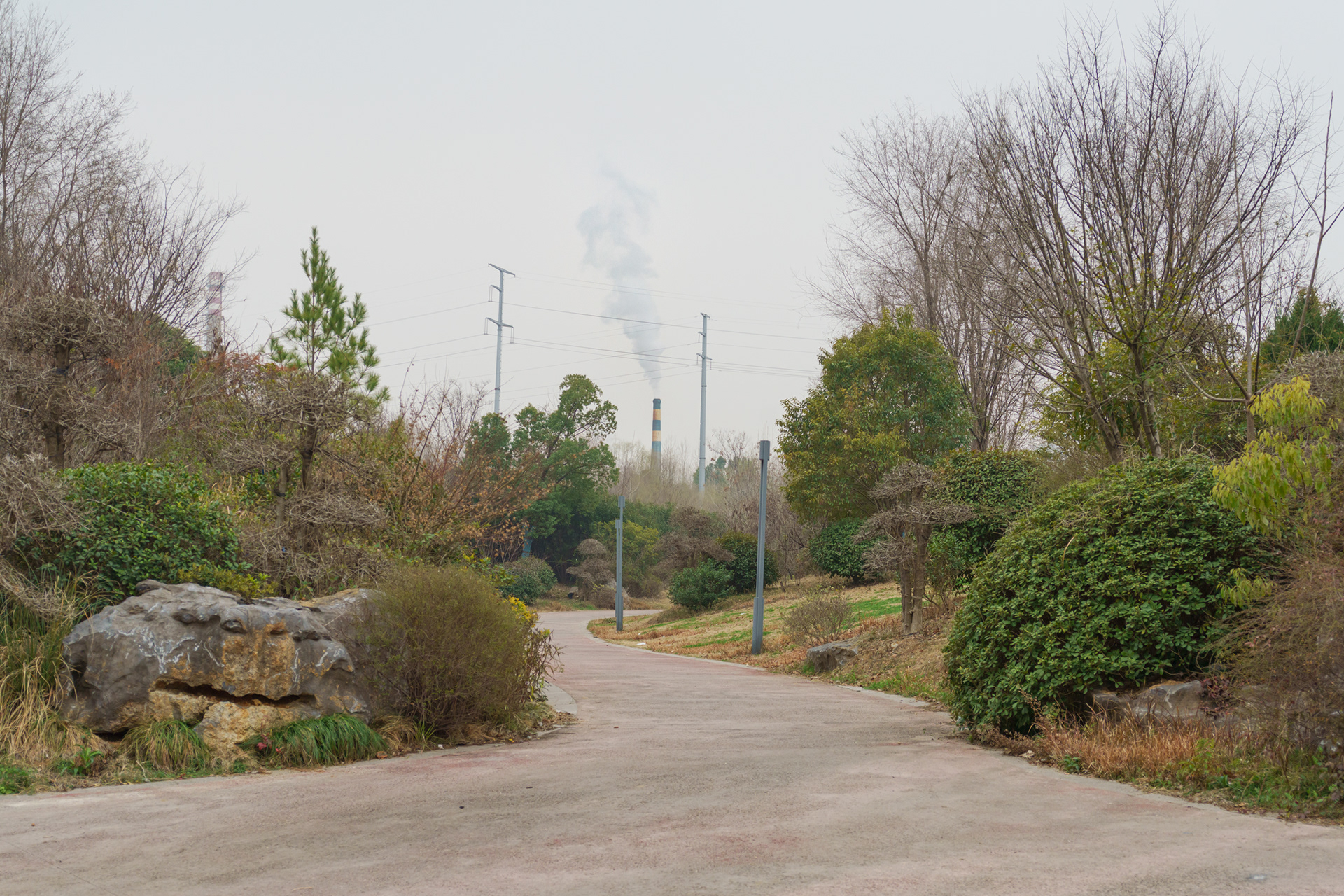
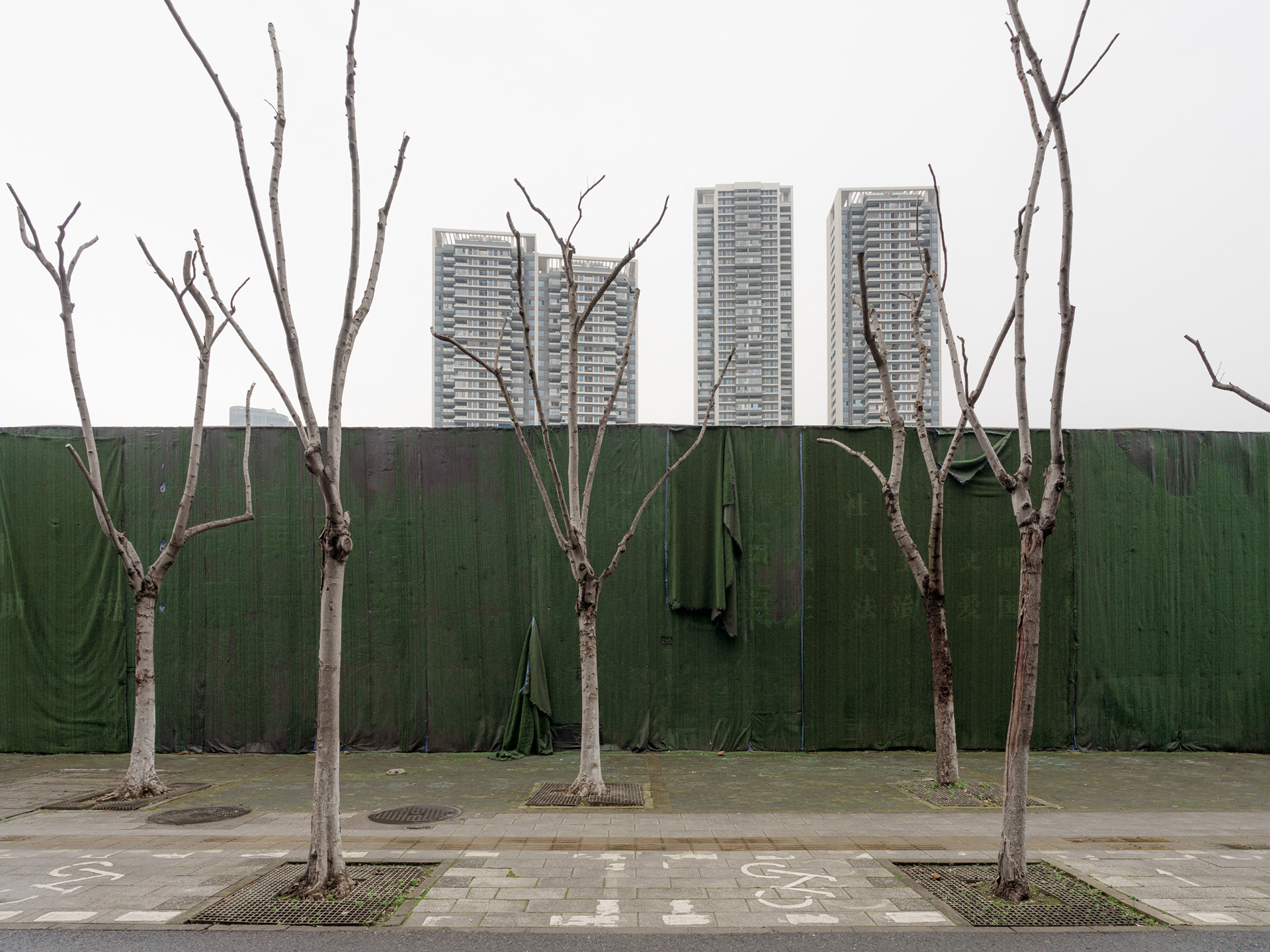
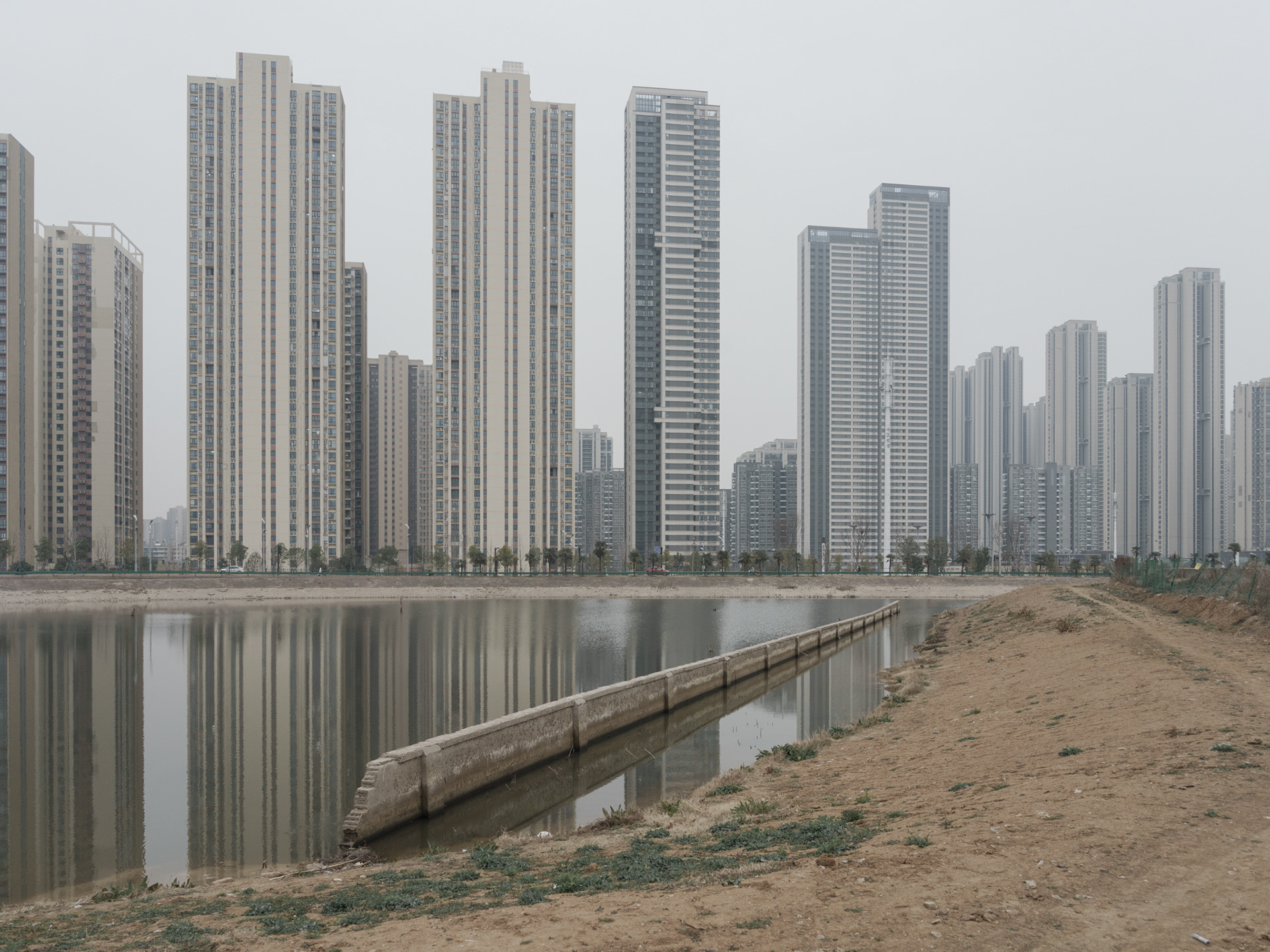
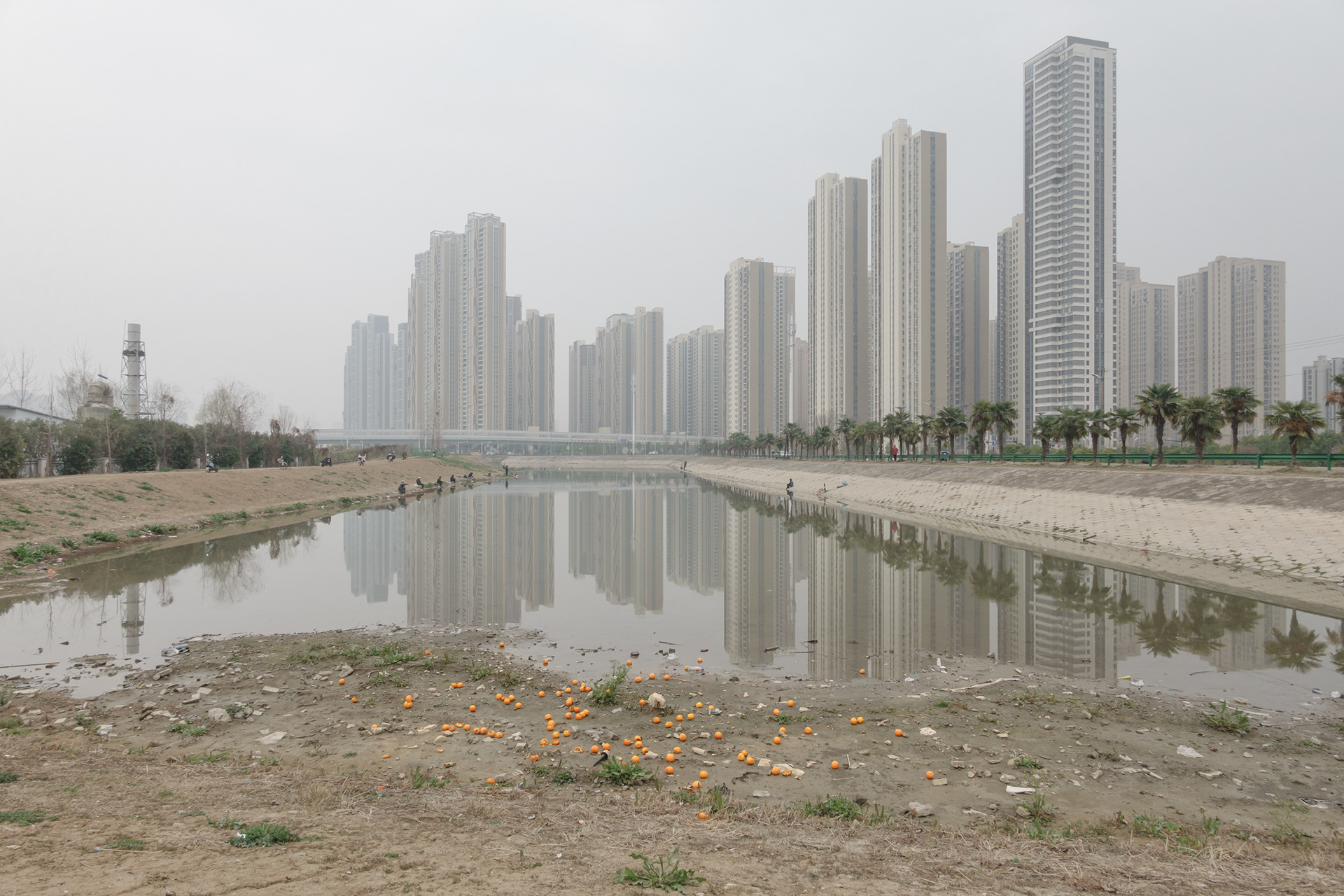
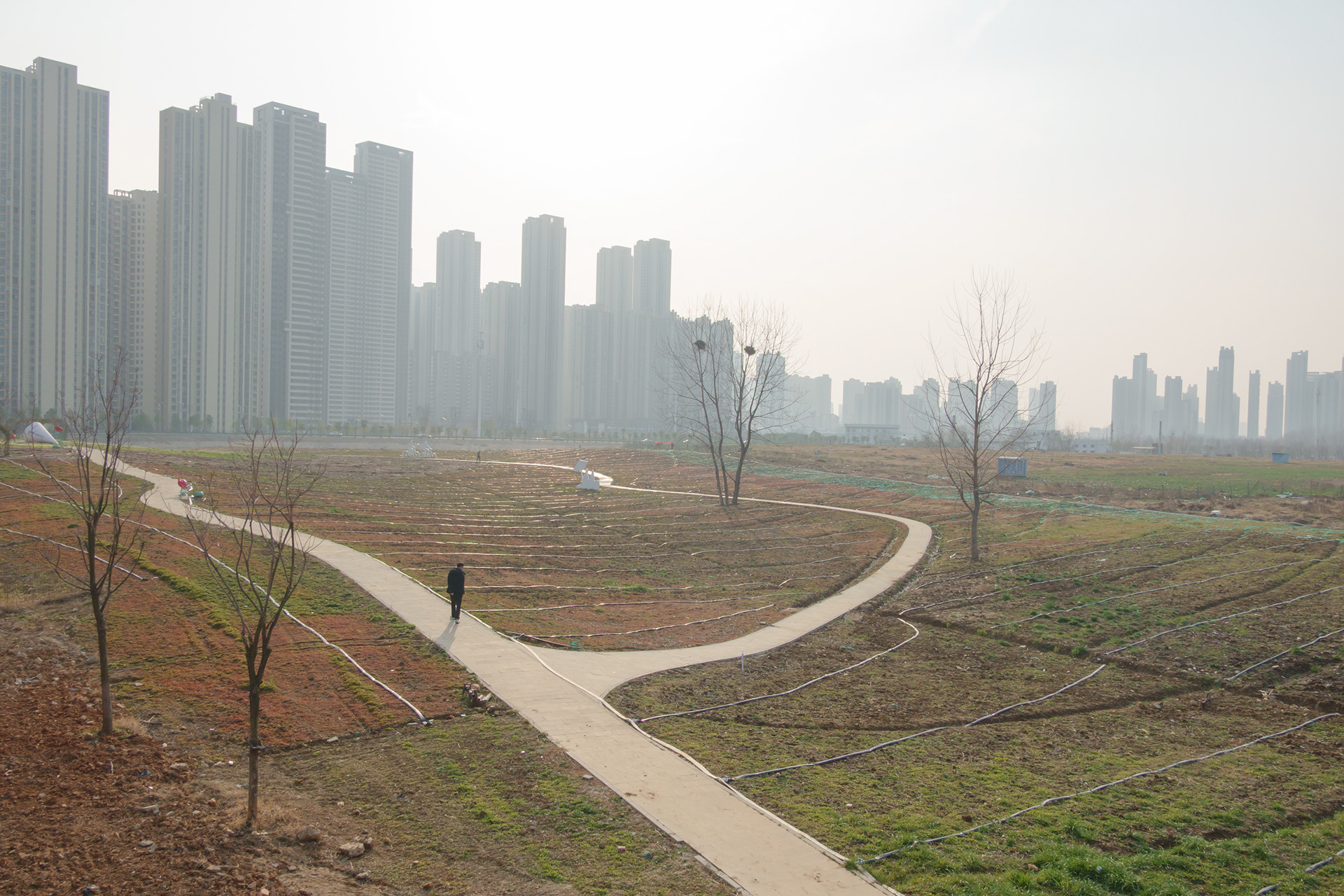
In recent decades, a real-estate boom has dramatically changed Wuhan’s landscape. Neighborhoods across the city have undergone rapid changes, as tall residential complexes replace what were once farmlands and modest low-rise housing. The Emerald Riverside complex in Hanyang is one example of this shift.
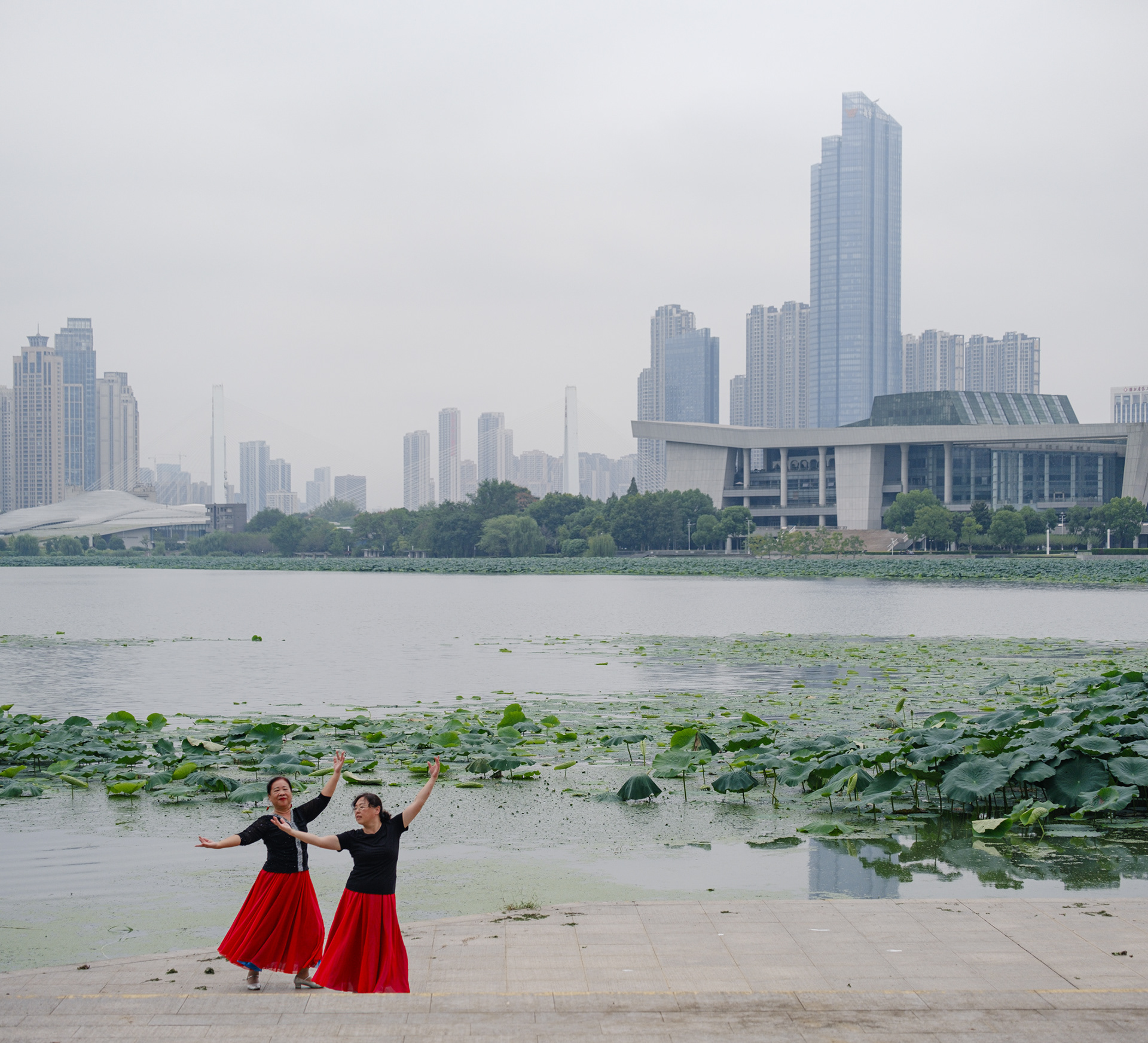
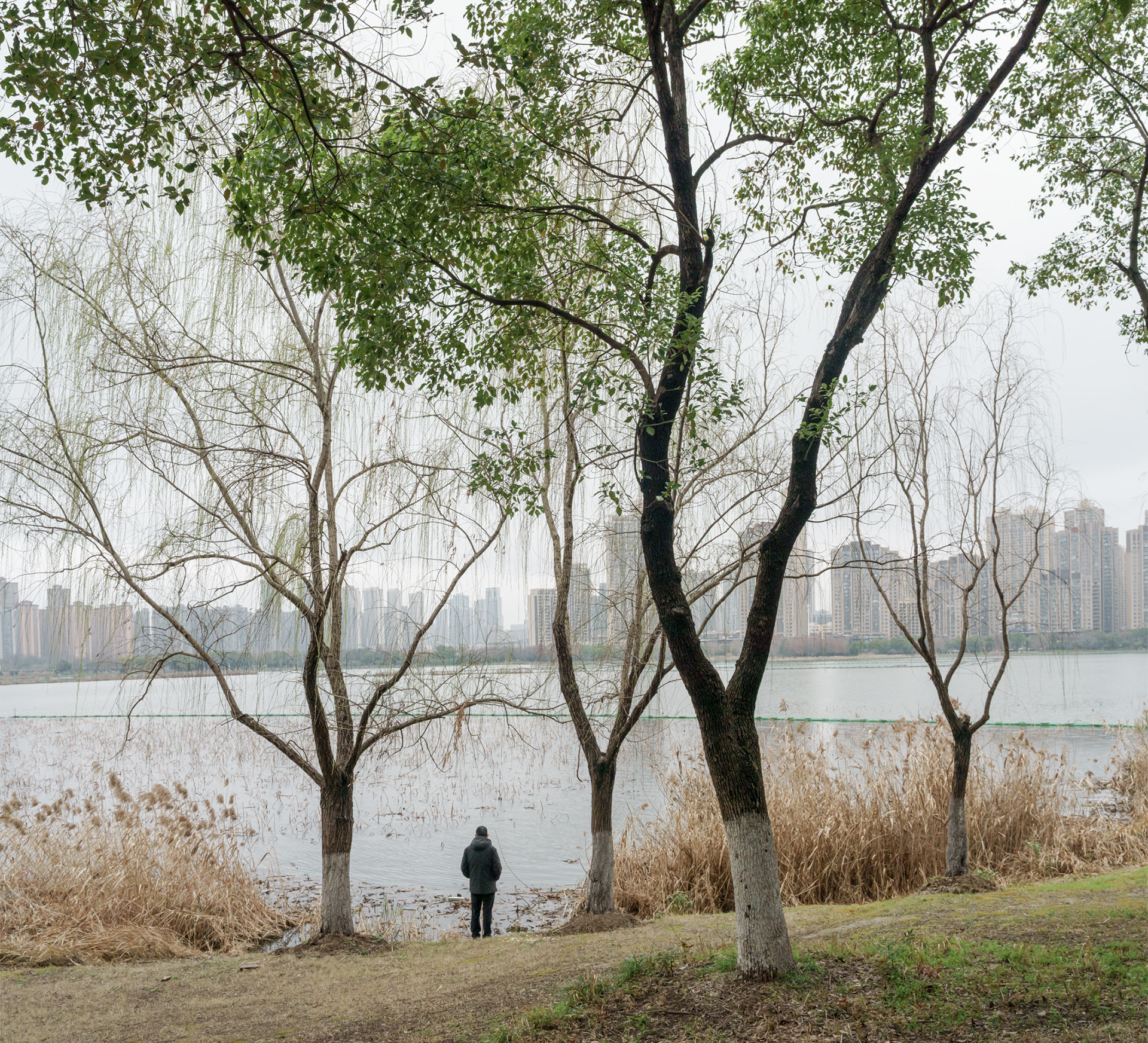
Endless rows of high-rise apartment complexes have become a permanent feature of Wuhan’s skyline. Set against water present everywhere, they create a unique urban environment whose massive scale could only exist in modern China.
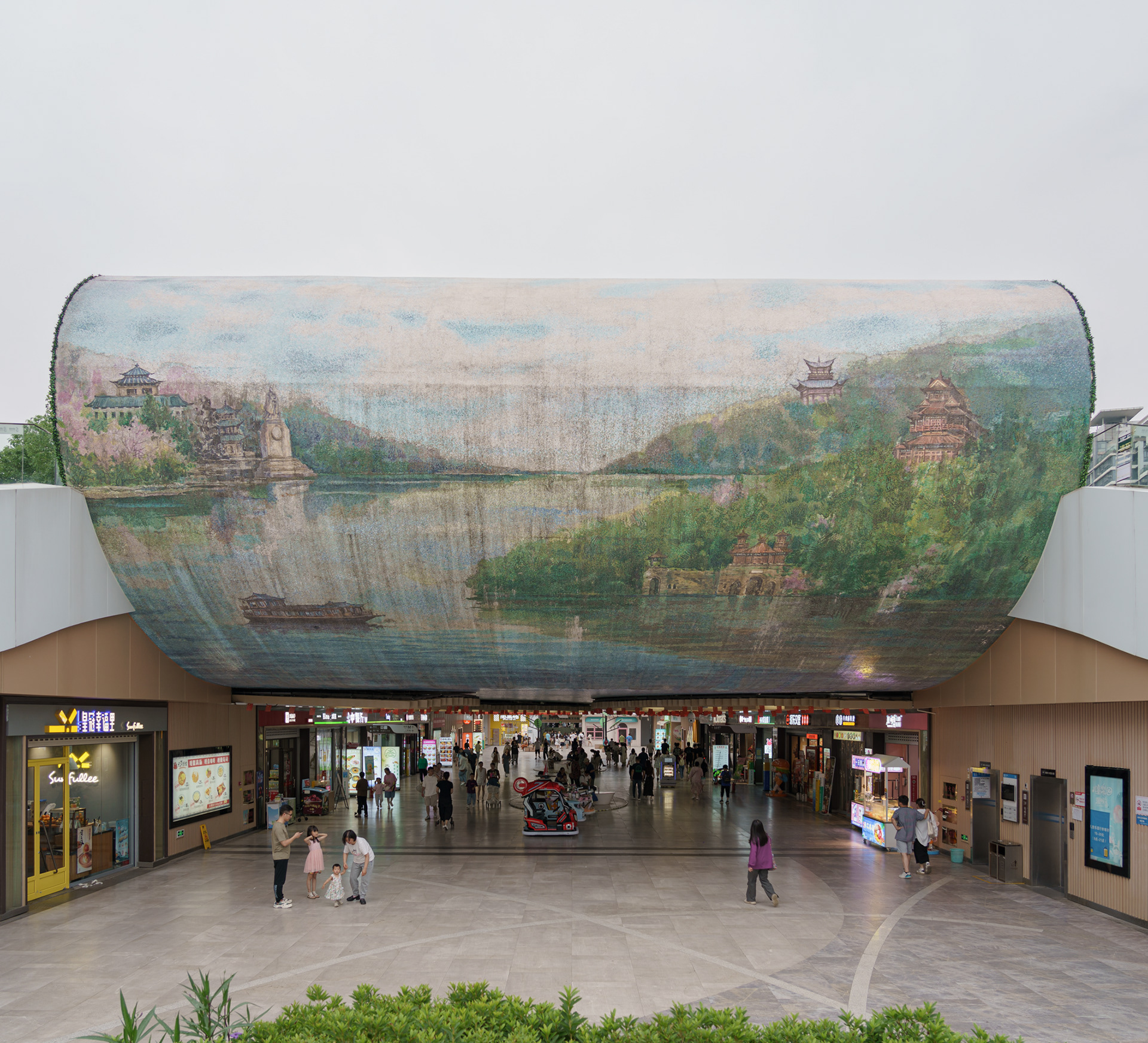
“The Emerald Riverside” photographic project explores the relationship between people, natural water bodies, and an urbanscape shaped by rapid growth. These forces coexist in a delicate balance – one that leaves us to reflect on the evolving bond between the people and historic waterways, asking viewers what is gained, or quietly lost, as the city transforms.